
North America T+1 transition in 2024: key findings
How did North America’s move to T+1 really affect workflows, fails and operational cost?
In Partnership with










SHARE THIS INSIGHT
North America’s T+1 transition was smoother than expected, but pressure remains. These key findings show where fail rates rose by 21%, why more than half of processing now happens overnight and what still needs to change.
Smoother than expected
Transition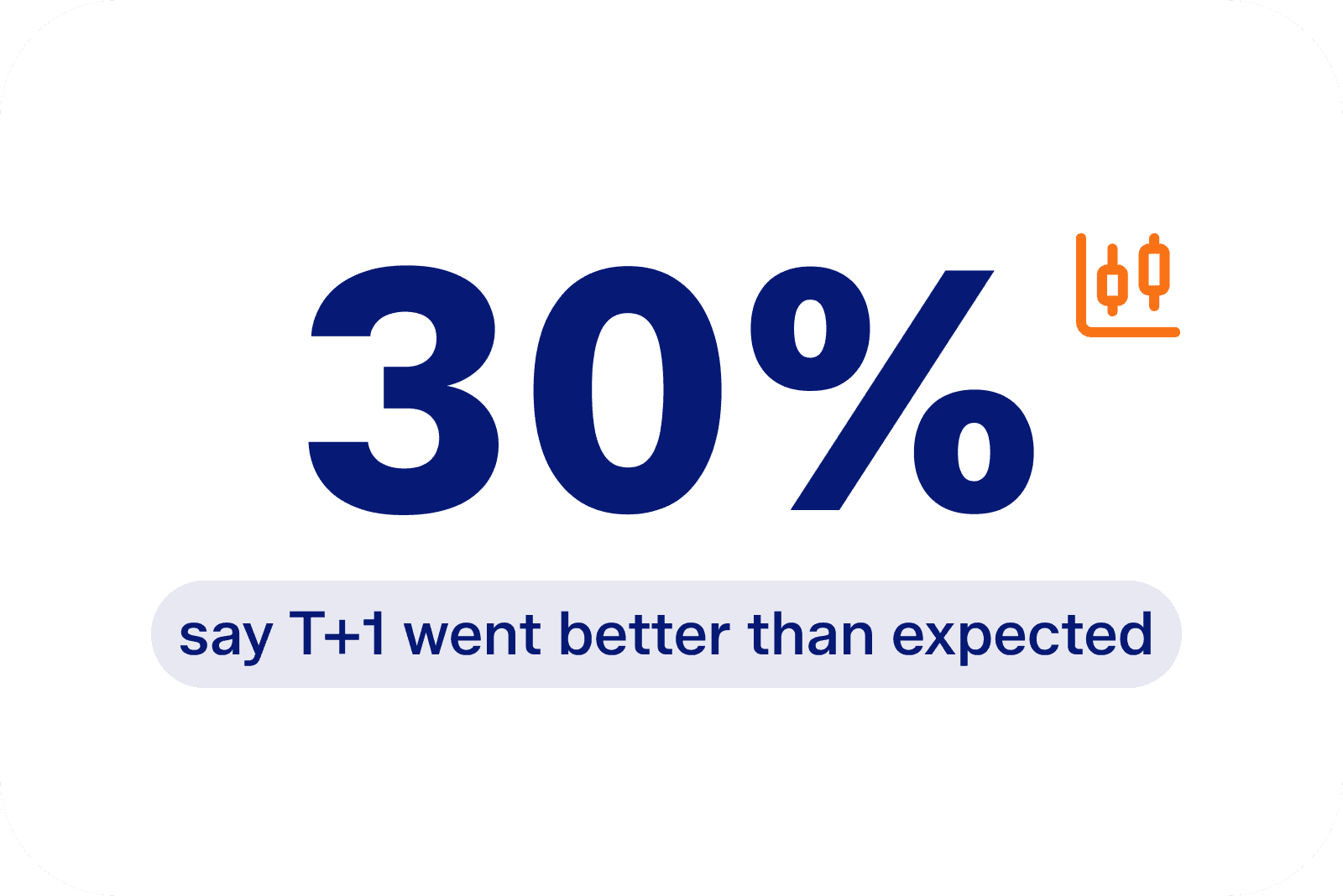
T+1's smooth transition was supported by T+0 allocations and affirmations – where firms invested early, the benefits were clear.
Where pre-settlement discipline did not improve, unaffirmed trades fail significantly more often.
Overnight processing shift
Operations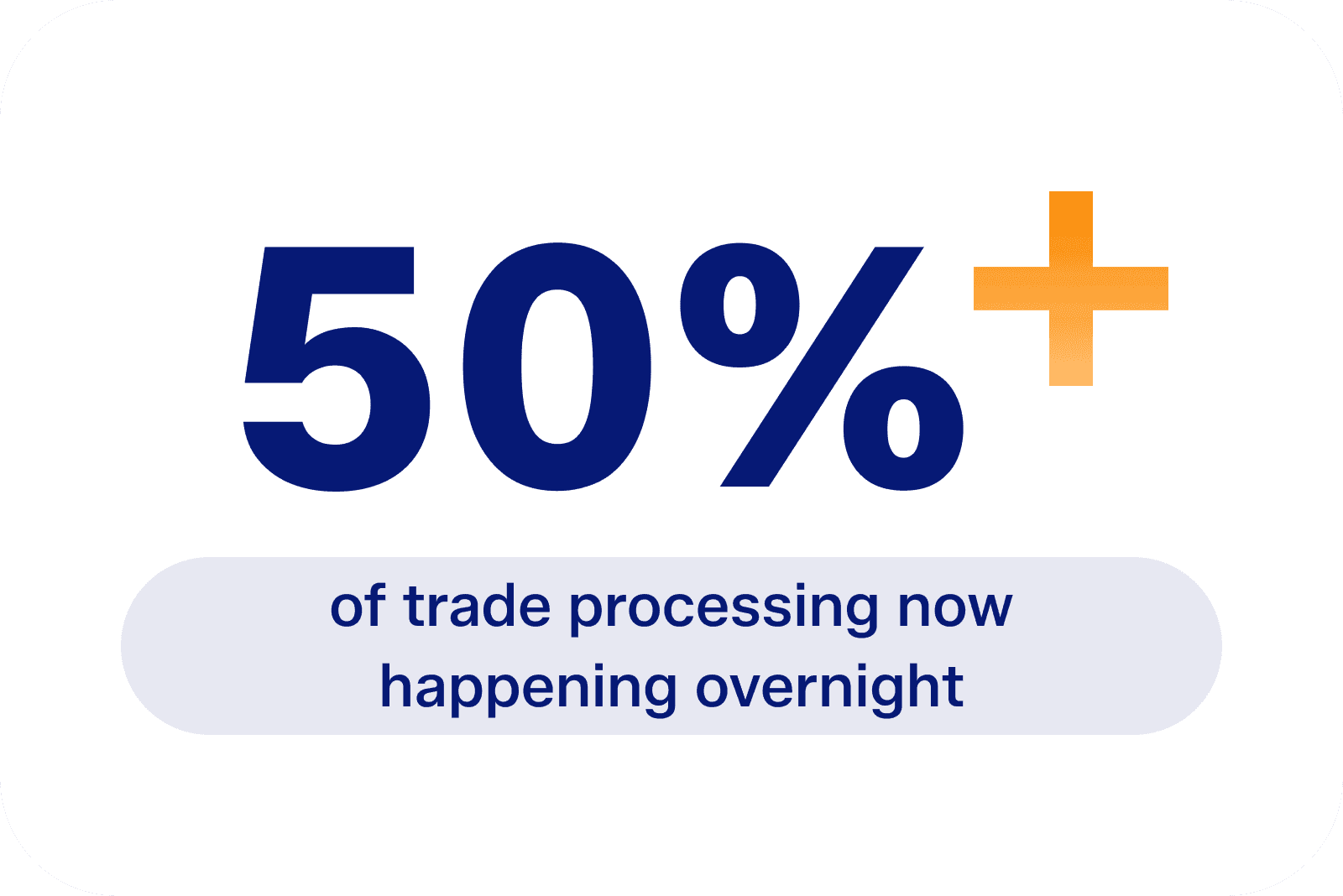
The overnight shift is increasing operational intensity, while a significant share of the T+1 project agenda is still ahead.
Firms that have not completed their automation programmes face a growing backlog as volumes rise.
Next-phase readiness
Outlook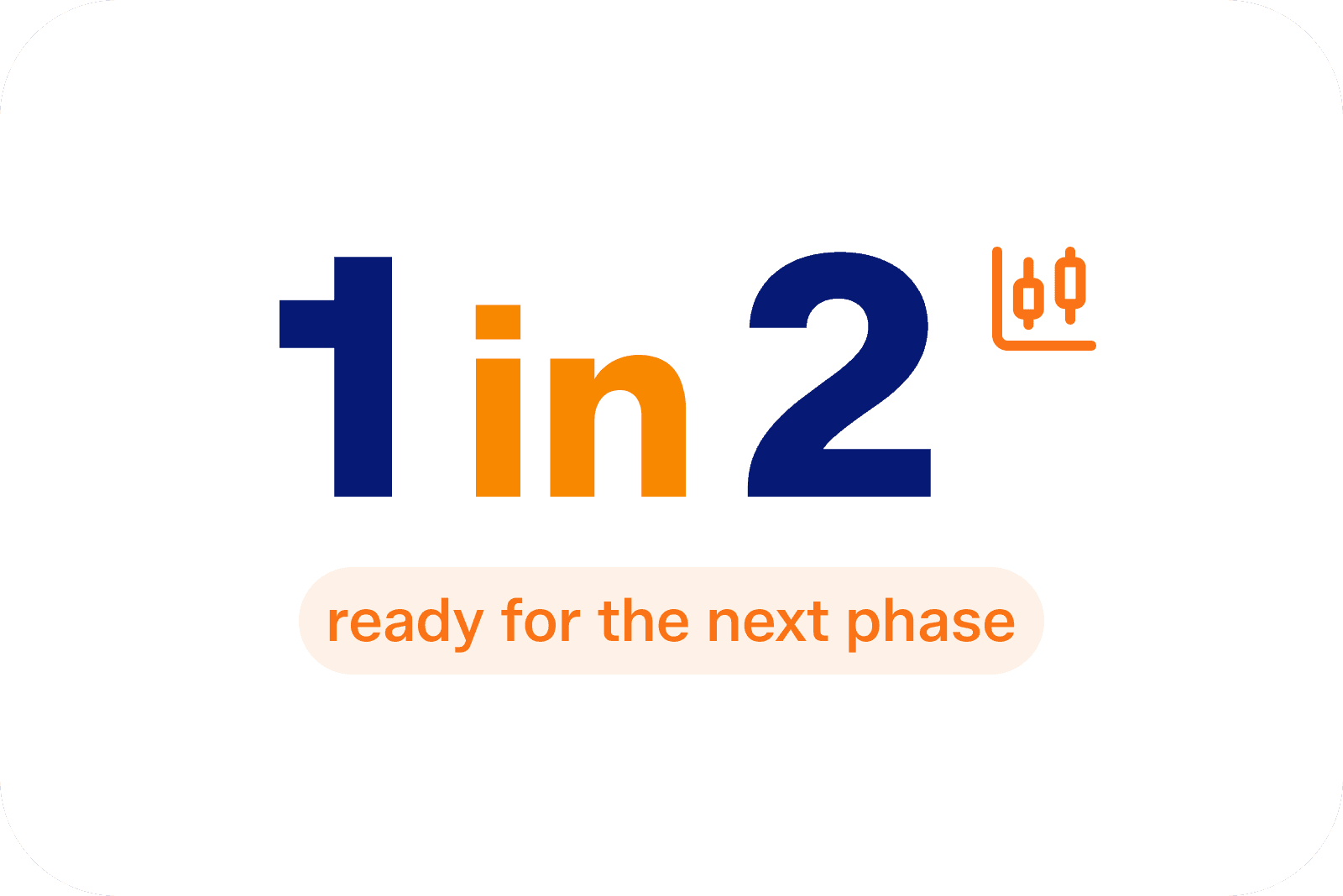
2027 is emerging as the defining year – today's readiness gaps will become tomorrow's execution risks.
Larger firms have helped stabilise fail rates and costs, but smaller participants remain more exposed.
The move to T+1 in North America may have been operationally stable at the point of transition, but the data shows a more complex picture beneath the surface. Firms avoided major disruption, yet new pressures around automation, overnight processing and post-transition workload are now clearer.
How did firms experience the immediate shift to T+1, and where were the real surprises? Which parts of the operating model improved, and where are higher fail rates, cost pressure and incomplete project work still shaping the post-transition environment?
The findings are based on an August 2024 pulse survey of more than 300 market specialists globally, examining how the U.S., Canadian and Mexican transitions to T+1 have reshaped workflows, costs and readiness for the next wave of market change.
Produced in partnership with Depository Trust & Clearing Corporation (DTCC) and TMX Group (TMX), with support from industry associations globally, the research highlights:
30% say T+1 went better than expected, with firms generally viewing the transition positively, supported by T+0 allocations and affirmations
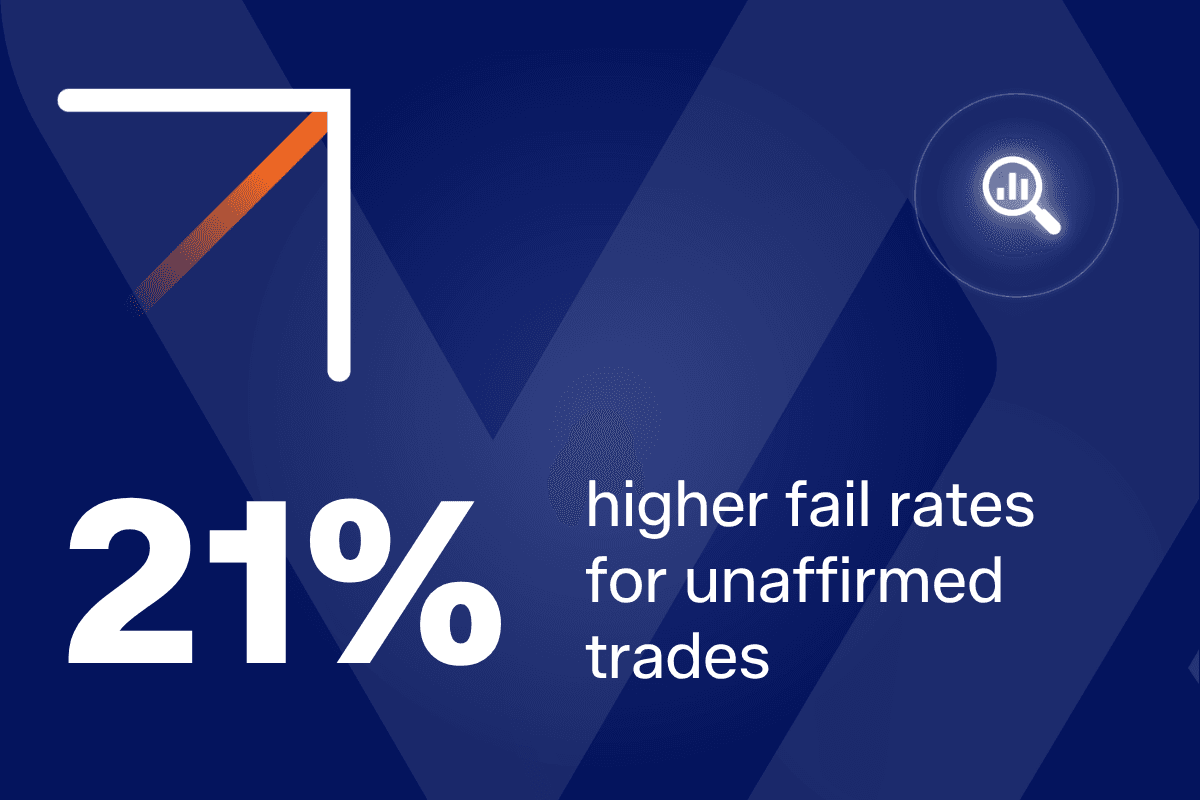
21% higher fail rates for unaffirmed trades, with settlement performance remaining noticeably weaker where pre-settlement discipline has not improved
50%+ of processing now happens overnight: more than half of trade processing has shifted into overnight windows, increasing operational intensity
35% of the agenda is still ahead: a significant share of T+1 project work remains unfinished, particularly for investors
Only one in two is ready for what comes next: many firms are not yet prepared for the next phase of global T+1 transitions, with 2027 emerging as the key year ahead
Ask the Xchange AI
Have a question about our research? Ask our AI assistant for specific insights.
Create an account to continue
This content is for registered members

![[Test Soft Launch] - Report 5](/_next/image?url=https%3A%2F%2Fvaluexchange.s3.us-east-1.amazonaws.com%2Fsmall_thumbnail_dummy_Dashboard.png&w=3840&q=75)
