
T+1 implementation guide for European markets: report
A practical guide to planning and managing T+1 implementation across European markets.
In Partnership with


Accelerated settlement in Europe will depend on more than budget and intent. This guide examines how firms are preparing for T+1, where operating model fragmentation and infrastructure constraints remain most acute, and what questions firms should address across planning, build and execution.
Tier one automation gains
Automation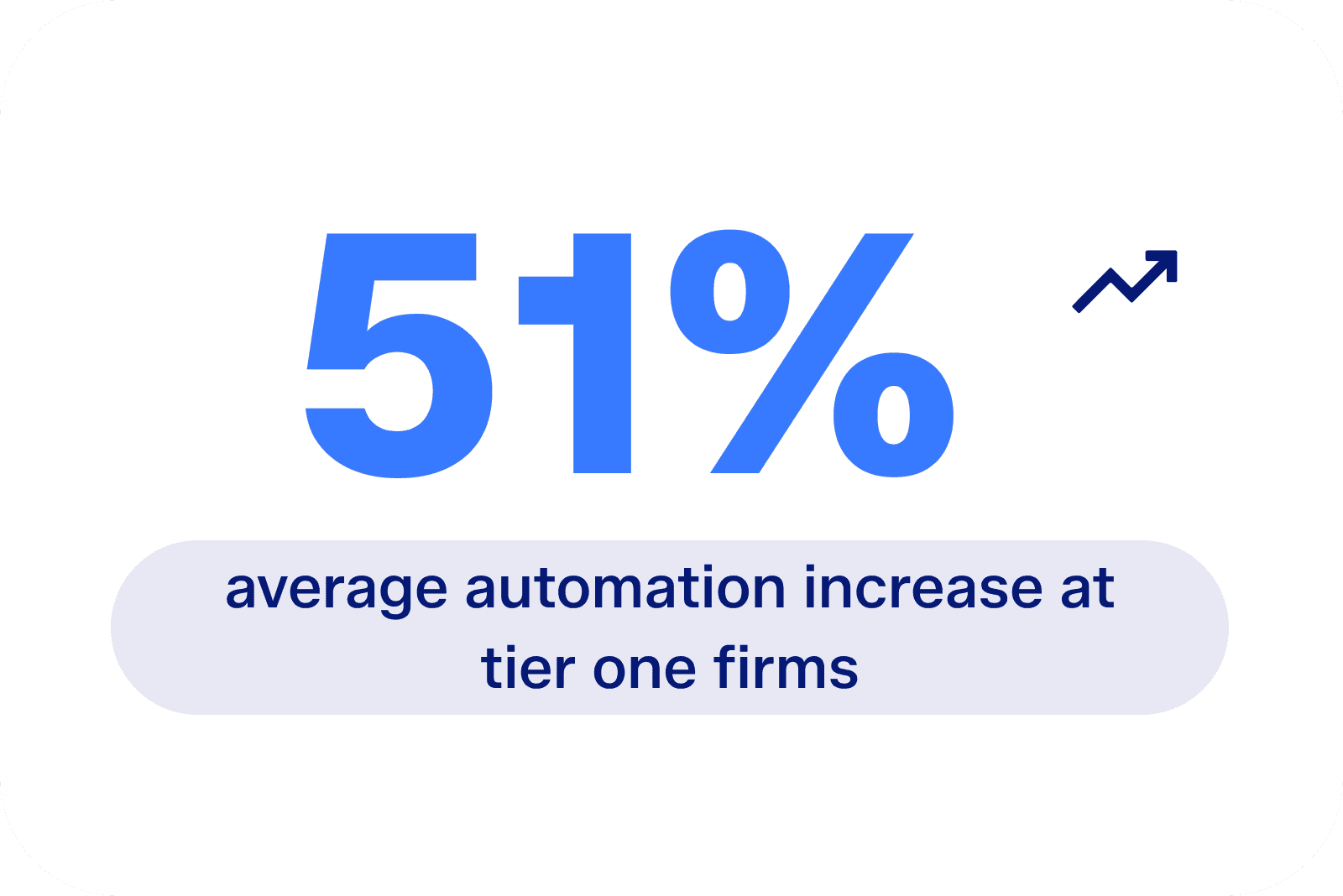
The 2024 transitions provided a clear view of how firms approached settlement acceleration — and where automation investment made the greatest difference.
The automation gains made during preparation are now providing a foundation for the next wave of global T+1 transitions.
Key success driver
Operations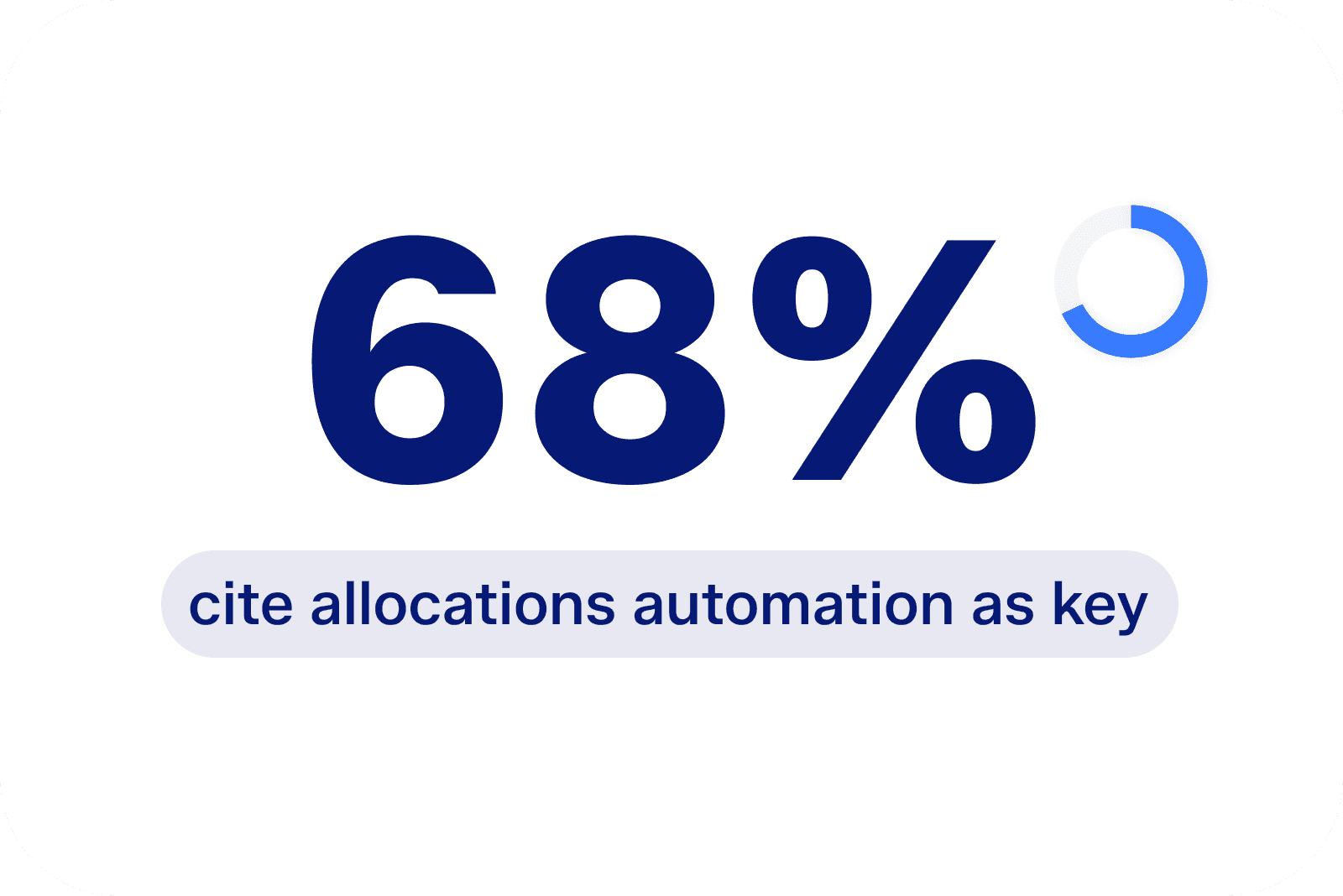
Automating allocations and confirmations was the single most important operational factor — not technology investment in general, but this specific capability.
Firms that had already invested in this area before the deadline experienced materially smoother transitions.
Post-go-live work
Optimisation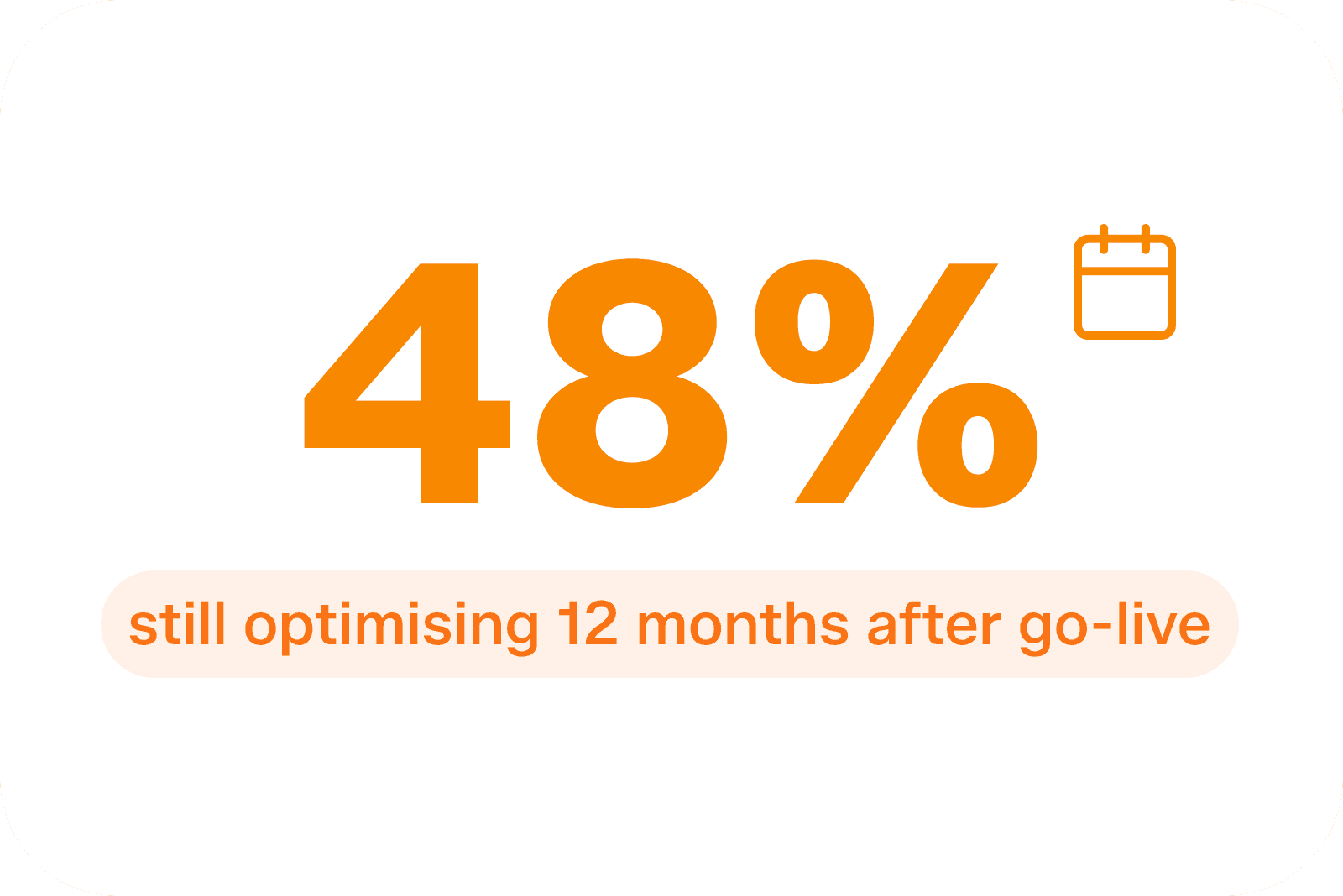
The transition did not end at go-live — nearly half of firms continued refining processes and operating models well after the deadline passed.
Post-go-live optimisation reflects the depth of change T+1 requires across the full operating model.
T+1 preparation in Europe is moving from high-level planning into more detailed implementation decisions. The central challenge is not simply whether firms are investing, but whether their operating models, infrastructure and trade-cycle workflows are ready to support accelerated settlement at scale.
What questions should firms be asking as they prepare for T+1 in Europe? Where are the main execution risks emerging across structure, scalability and trade-cycle design?
The report draws on industry benchmarking results and interviews with leading experts to provide a practical framework for firms preparing for accelerated settlement. It is structured around foundational questions, regional considerations and trade-cycle pressure points across execution, confirmation, funding and settlement.
The research, developed in collaboration with Citi, the UK T+1 Accelerated Settlement Taskforce and the European Union (EU) T+1 Industry Committee, highlights:
31% report budget growth: some firms are increasing investment operations budgets, but funding alone is not resolving execution challenges
32% still process trades locally: localised processing models remain common, increasing operational fragmentation
29% do not operate a global model: many European firms still lack the model consistency needed for more compressed settlement cycles
25% believe current infrastructure may not scale effectively into T+1
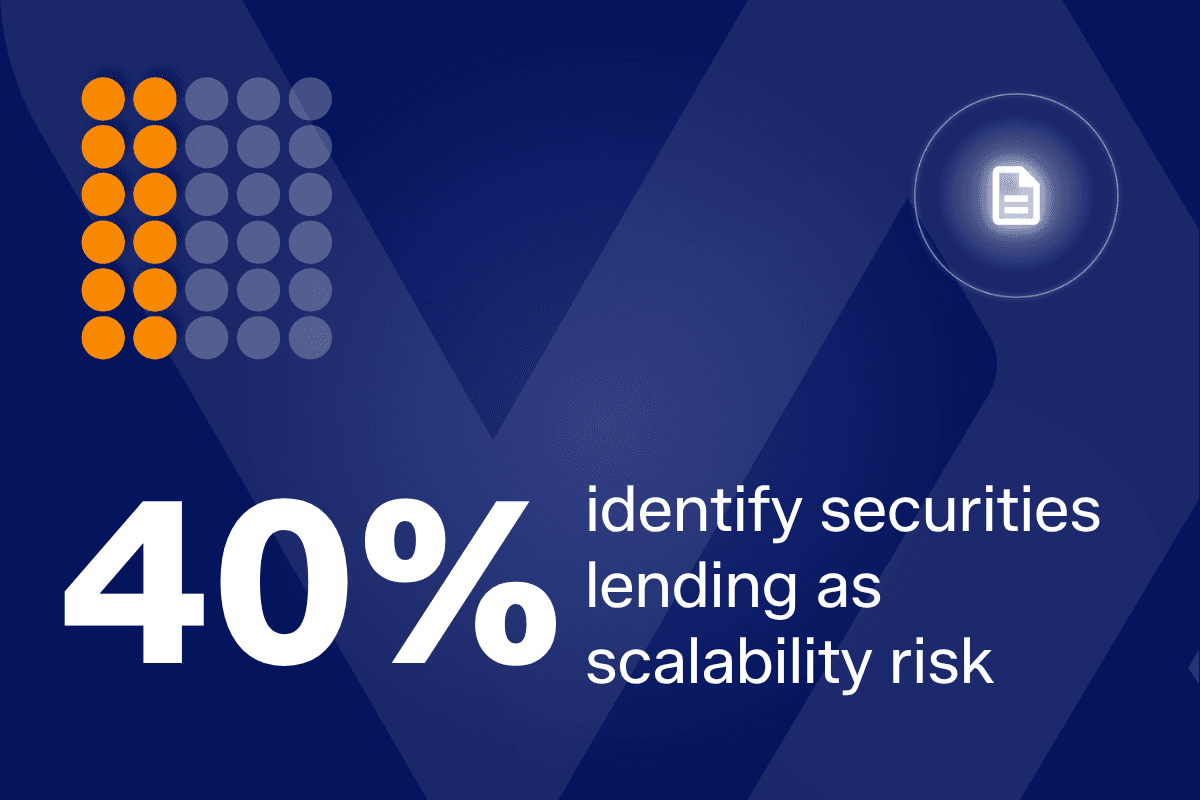
40% identify securities lending as a risk: securities lending platforms are seen as a key scalability constraint in the transition
Ask the Xchange AI
Have a question about our research? Ask our AI assistant for specific insights.
Create an account to continue
This content is for registered members
SHARE THIS INSIGHT

![[Test Soft Launch] - Report 5](/_next/image?url=https%3A%2F%2Fvaluexchange.s3.us-east-1.amazonaws.com%2Fsmall_thumbnail_dummy_Dashboard.png&w=3840&q=75)
